
Building Inspector or Flooring Inspector: What’s the Difference?
While a building inspector assesses the overall construction, condition, and compliance of a home or building, an independent flooring inspector is a specialist who focuses specifically on flooring systems, assemblies, and flooring-related defects.
Although both professionals investigate defects and provide reports, their expertise and scope of work differ significantly. Understanding these differences can help property owners, builders, insurers, and flooring contractors engage the right specialist and obtain the most accurate assessment of a problem.
In this article, we’ll explain the differences between building inspectors and certified flooring inspectors, when to engage each specialist, and situations where both may be required.
What Does a Building Inspector Do?
A building inspection is generally a broad assessment of a property’s condition, construction quality, and compliance with applicable building standards. The exact scope will depend on the type of inspection being performed, as well as the inspector’s qualifications and experience in specific areas of construction.
In Australia, building inspectors are commonly engaged for:
- Pre-purchase building inspections
- New construction stage inspections
- Defect inspections
- Dilapidation reports
A building inspector may identify flooring-related issues, building inspectors are generally not flooring specialists.
For example, a building inspector may observe that a timber floor is exhibiting cupping or crowning. However, determining the underlying cause of the issue—and whether it is related to manufacturing, installation practices, moisture conditions, environmental factors, or site-related influences—typically requires the expertise of an experienced timber flooring inspector.
Similarly, a building inspection may note that the carpet in a home’s living room appears to be a different shade from that in the adjoining dining room. However, only a qualified carpet inspector can determine whether the apparent “side match” issue is due to dye lot variation, installation practices, lighting conditions, or another contributing factor.
What Does an Independent Flooring Inspector Do?
A certified independent flooring inspector is a specialist who focuses exclusively on flooring systems and flooring-related defects, as well as pre-installation subfloor inspections to prevent issues after installation.
A flooring inspection involves specialised testing and assessment of a subfloor prior to installation, or a floor’s condition, performance, installation quality, and compliance with relevant industry standards, manufacturer specifications, and product guidelines after installation.
Unlike a building inspection, which evaluates the property as a whole, an expert flooring inspection investigates why a floor is performing the way it is and identifies the factors contributing to any defects or failures.
A key role of an independent flooring inspector is determining whether the flooring has been installed in accordance with recognised industry standards and manufacturer requirements.
For example, a building inspection report may simply note that the commercial vinyl flooring contains visible gaps between planks. A flooring inspection report will describe a more detailed investigation to determine whether the flooring was installed correctly, whether the product itself has failed, and whether environmental or site-related conditions contributed to the issue.
Experienced flooring inspectors commonly investigate issues involving:
- Timber flooring
- Hybrid flooring
- Laminate flooring
- Vinyl flooring
- Carpet
- Ceramic and porcelain tiles
- Engineered timber flooring
- Commercial flooring systems
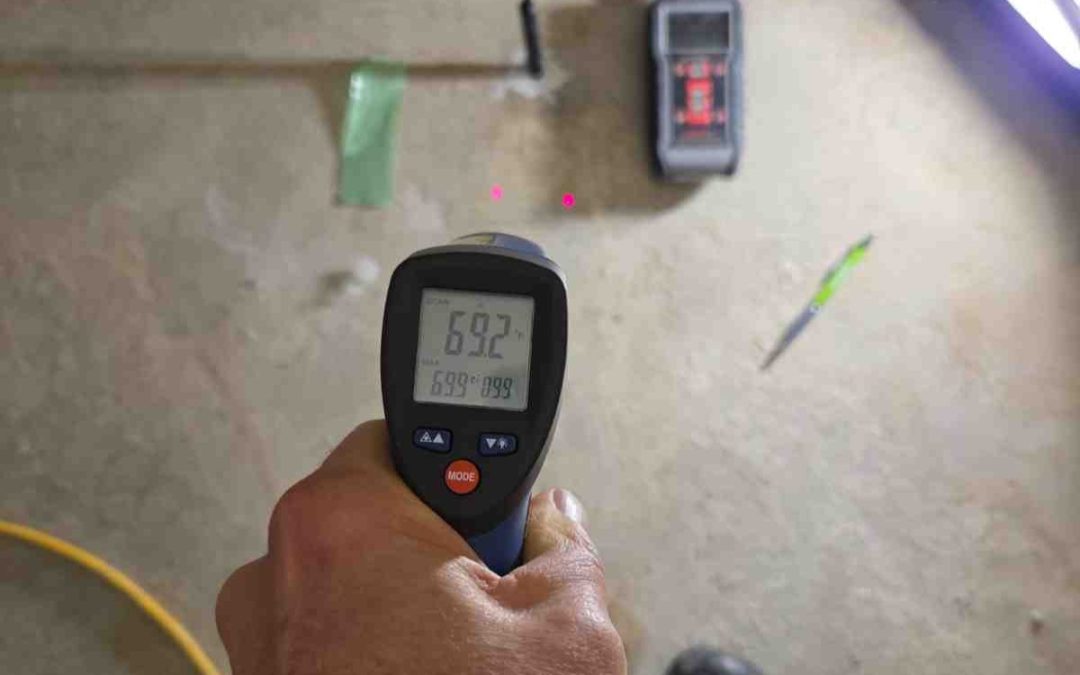
They will also undertake moisture testing, subfloor assessments, environmental condition monitoring, and compliance reviews as part of their investigation.
What’s the Difference Between a Building Inspection and a Flooring Inspection Report?
The key difference is that a building inspector may identify a flooring problem, whereas a flooring inspector investigates its cause and assesses whether the flooring system has performed as intended.
For example, a building inspector may report:
- Buckling timber flooring
- Cracked floor tiles
- Lifting hybrid flooring
- Carpet irregularities
- Vinyl plank separation
A flooring inspector will typically go further by determining:
- Why the flooring failed
- Whether the installation complied with industry standards
- Whether the flooring product itself is defective
- Whether environmental or site conditions contributed to the issue
- What remedial action is required
A certified independent flooring inspection report will often include:
- A history of the flooring and installation process
- Site observations
- Testing results
- References to relevant industry standards and guidelines
- Identification of contributing factors
- Conclusions regarding the cause of the issue
- Recommendations for remedial action
For this reason, certified independent flooring inspections are frequently used in warranty claims, insurance matters, expert witness reports, tribunal proceedings, and disputes that require a detailed technical assessment of a flooring system.
Conclusion
Building inspectors and flooring inspectors both play important roles in identifying defects and protecting property owners. However, they serve different purposes.
A building inspector provides a broad assessment of the building as a whole and may identify flooring-related concerns as part of that process. A flooring inspector provides a specialised investigation into the performance, installation, and compliance of a flooring system, helping determine the cause of defects and the appropriate corrective action.
When a flooring issue involves warranties, disputes, insurance claims, product performance, or installation quality, engaging a qualified flooring inspector can provide the detailed technical evidence needed to reach an accurate conclusion.